Ach Gott und Herr
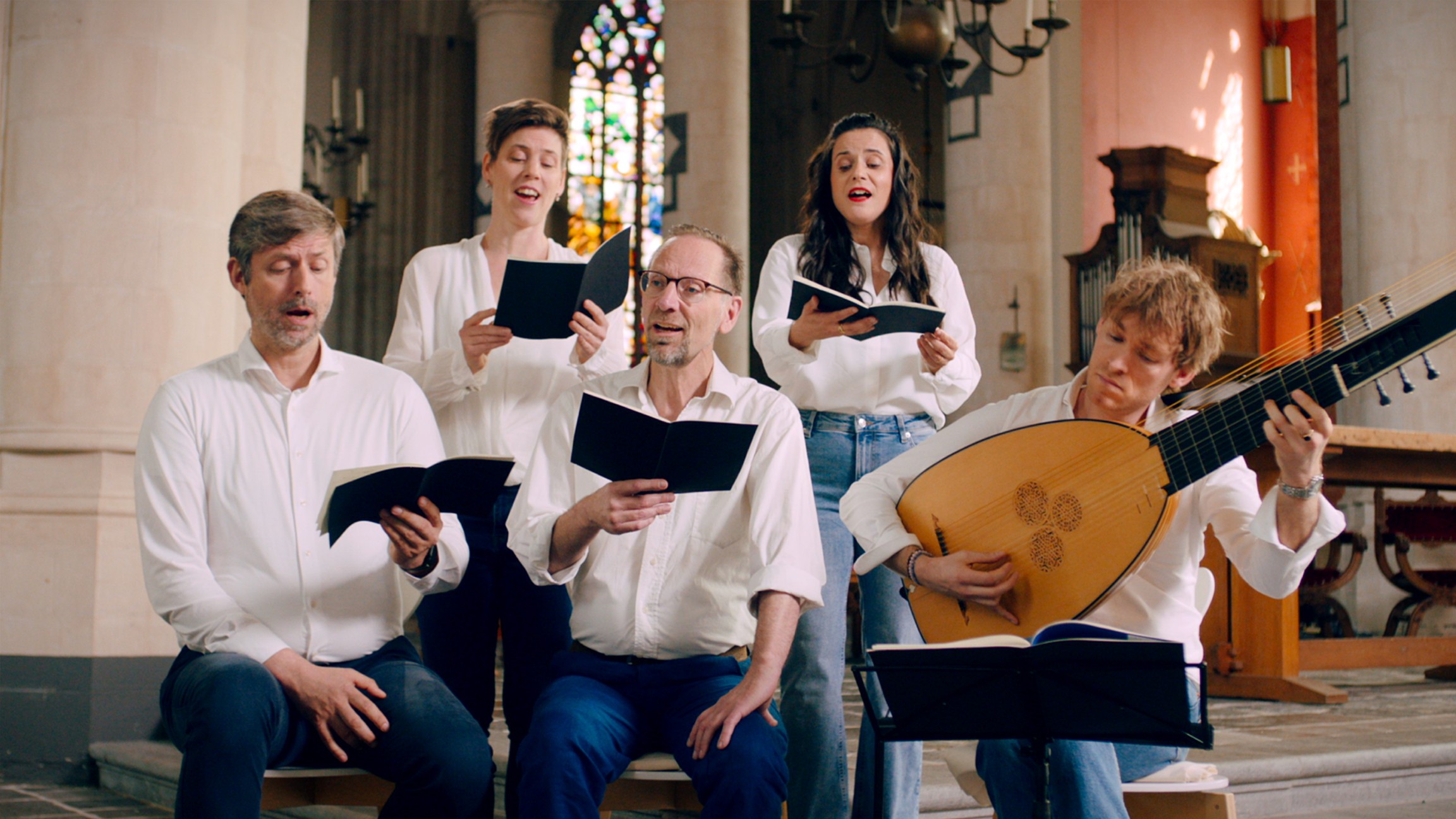
BWV 255 performed by the Netherlands Bach Society
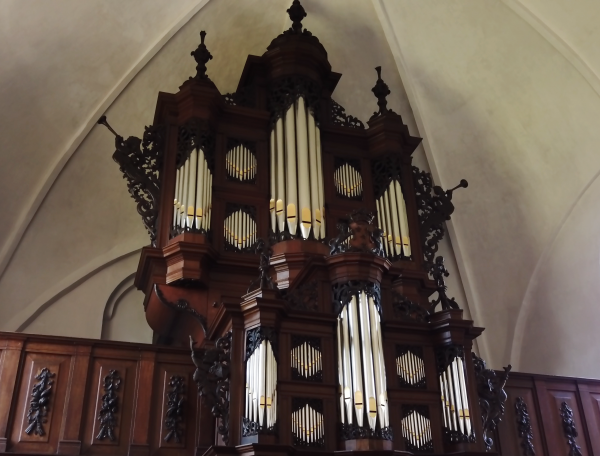
Sint-Gertrudiskerk, Bergen op Zoom
Behind the music
Story
Story
Extra videos
Extra videos
Texts
Texts
Credits
Credits
From musical sermon to study material
In this subdued chorale, the believer begs for guidance
When Martin Luther developed his liturgy at the beginning of the sixteenth century, he placed music at the heart of it. If congregations sang themselves or listened attentively to music, they could take in God’s word just as well as by listening to a sermon – or maybe even better. With 36 poems (1524) he sparked off a German-language anthology, which over the course of a century and a half came to contain more than 10,000 hymns or chorales that could be regarded as musical sermons. Composers seized on the texts and melodies in Luther’s anthology for their music, both sacred and secular.
Bach incorporated chorales into his works in every way possible, often geared to a very specific text or context. The way he used them could differ widely, as you can hear if you put BWV 255 alongside chorale no. 3 from Ich elender Mensch, BWV 48. Although the chorales have the same melody, the effect is totally different in each.
This difference could be explained by the context of the two chorales, but we know next to nothing about the context of BWV 255. One of the few sources we have is a collection from 1765, by Bach’s son Carl Philipp Emmanuel. The collection includes dozens of chorales published without texts, which were clearly intended as study material. This is no exception, as Mendelssohn, for example, learned harmony and voice leading from Bach’s chorales. And the melody of Ach Herr und Gott was apparently extremely useful as study material. The composer and musicologist Kirnberger – who is thought to have been a pupil of Bach – gave his music students no fewer than 26 versions of this chorale. Hymns that were originally musical sermons thus became style exercises for music students.
For the text of this subdued BWV 255, we can therefore probably mix and match from various versions. In this rendition, a sinner is praying in the knowledge that only God can bestow salvation, even if you should try to avoid bearing your cross. Not purely salvation, however, and if a price has to be paid this believer is prepared to do penance, as long as God shows patience with the restless, defiant soul. As a bird hides away in a tree in stormy weather, so a devout person finds refuge in the wounds of Jesus; a promise of eternal life.
Extra videos
Vocal texts
Original
Ach Gott und Herr,
wie groß und schwer
sind mein begangne Sünden !
Da ist niemand,
der helfen kann,
in dieser Welt zu finden.
Gleichwie sich fein
ein Vögelein
in hole Bäum verstecket,
wenns trüb hergeht,
die Luft unstet,
Menschen und Vieh erschrecket.
Also, Herr Christ,
mein Zuflucht ist
die Höle deiner Wunden :
wenn Sünd und Tod
mich bracht in Noth,
hab ich mich drein gefunden.
Translation
Oh God and Lord,
how great the load
of sins that I've committed!
There's no one who
can help me through;
no one on earth is fitted.
Just as when stirred,
a little bird
hides in a tree for shelter,
when skies grow dim,
with restless wind,
both man and beast are frightened.
So I, Lord Christ,
my shelter find
in your wounds’ tender hollow:
when sin and death
brought me distress
For refuge there I follow.
translation © Ruth van Baak Griffioen, June 2026
Credits
-
- Release date
- 2 July 2026
-
- Recording date
- 5 May 2024
-
- Location
- Sint-Gertrudiskerk, Bergen op Zoom
-
- Soprano
- Mónica Monteiro
-
- Alto
- Bernadett Nagy
-
- Tenor
- Immo Schröder
-
- Bass
- Bram Trouwborst
-
- Theorbo
- David Mackor
-
- Director and editor
- Onno van Ameijde
-
- Music recording
- Guido Tichelman, Pim van der Lee
-
- Music edit and mix
- Guido Tichelman
-
- Camera
- Jesper Blok, Jorne Tielemans
-
- Focus pull
- Glenn van Neerden
-
- Lights
- Jorne Tielemans, Patrick Galvin
-
- Project manager nep
- Ron Vermeulen
-
- Assistant music recording
- Marloes Biermans
-
- Producer
- Lisanne Marlou de Kok, Stephan Esmeijer

Help us to complete All of Bach
There are still many recordings to be made before the whole of Bach’s oeuvre is online. And we can’t complete the task without the financial support of our patrons. Please help us to complete the musical heritage of Bach, by supporting us with a donation!