Herr, ich denk an jene Zeit
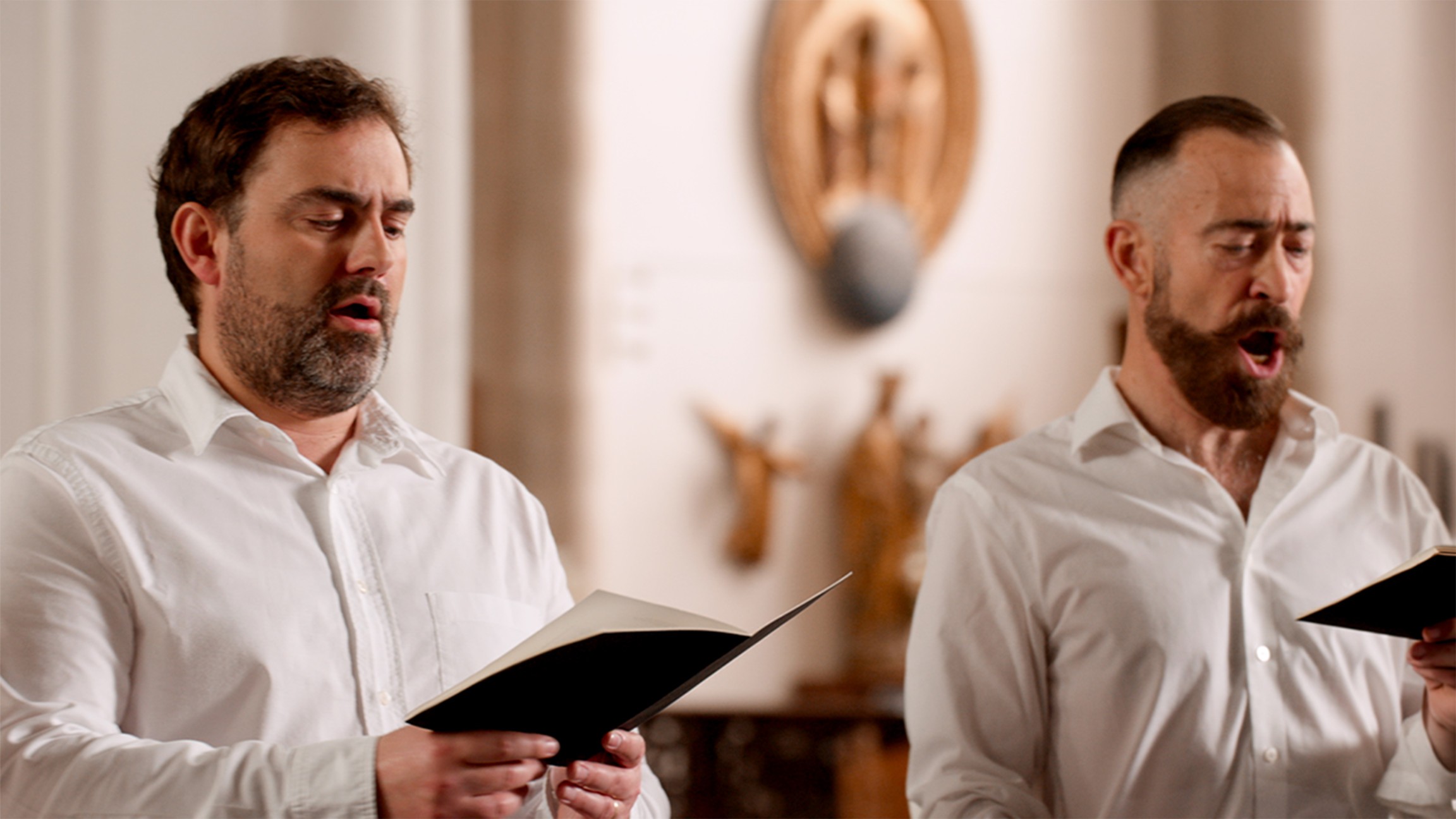
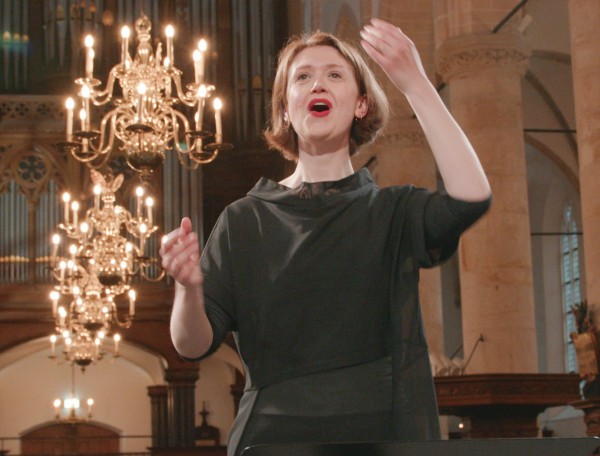
BWV 329 performed by the Netherlands Bach Society
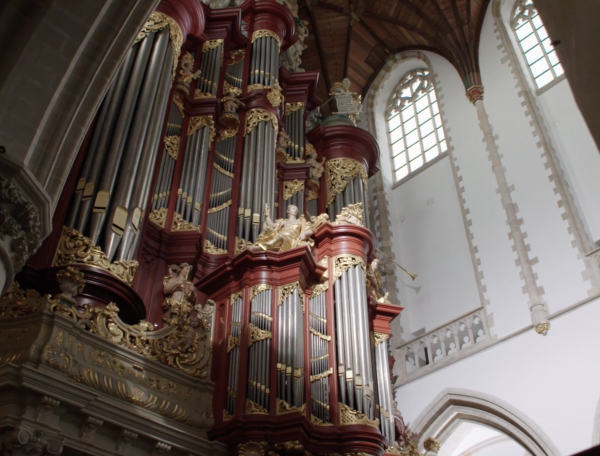
Sint-Gertrudiskerk, Bergen op Zoom
Behind the music
Story
Story
Extra videos
Extra videos
Texts
Texts
Credits
Credits
Polished harmonisation
The melody of this chorale dates back to the Bohemian Reformation
The melody of this chorale, by Petrus Herbert, originates from a hymnal published in 1566 by the ‘Bohemian Brethren’. This fraternal community, officially called the Unitas Fratrum, advocated several church reforms in the mid-fifteenth century – long before Luther. But also at the time of the Lutheran Reformation, they upheld their own position, against both the Roman Catholic church and the new Protestant movements. In 1640, the chorale melody of BWV 329 was reprinted, along with lyrics by Georg Mylius.
Although this sounds rather far removed from Bach’s time and his sphere of work, there are still connections. Bach often used lyrics by Mylius, and he must also have been familiar with the Bohemian Brethren. In 1722, following an age-long succession of persecutions, schisms and theological amendments, a group of Brethren moved to Saxony, where they founded a new community.
Bach must have heard of these religious refugees, although we do not know what he thought of them. The religious convictions of the Brethren linked up with the Pietistic tendencies that were doing the rounds in Bach’s day. However, Bach’s attitude to Pietism, which revolved around personal devotion and a practical religious experience, is still the subject of debate today. Neither do we know whether Bach was aware of the Reformational origins of the chorale melody.
The chorale text by Georg Mylius emphasises personal mortality, and is ‘standard Lutheran’. In his polished harmonisation, Bach also gives no clues for a specific interpretation, apart from briefly highlighting the word ‘Sterblichkeit’, by putting a dissonant on the first syllable for the soprano and alto. So the origins of the melody from the Bohemian Reformation are only evident to those in the know.
Extra videos
Vocal texts
Original
1.
Herr, ich denk an jene Zeit,
wenn ich diesem kurzen Leben
wegen meiner Sterblichkeit
gute Nacht soll geben,
wenn ich wird auf dein Gebot
durch den Tod
alles überstreben.
5.
Dieser Leib und dies Gebein,
ob ich noch so ängstlich zage,
muß der Würmer Fraß doch sein
über wenig Tage.
Alles ist der Schlagen Raub,
Asch und Staub,
was ich in mir trage.
7.
Hilf, dass ich dies Pilger-Land,
dieses eitle Tun mög hassen,
und mir recht den Himmels-Stand
im Gemüte fassen.
Dann will ich in Fried und Wonn
hie davon
und die Welt verlassen.
Translation
1.
Lord, I think about the time
due to come to all things living,
when to this short life of mine
farewell I’ll be giving,
when, according to your call,
I’ll leave all;
death will end all striving.
5.
This my body and my bones,
though I tremble just to say it,
will become the food for worms,
none can long delay it.
All is by the serpent crushed,
ash and dust,
all that is within me.
7.
Help me always understand:
in this world I’m just a pilgrim.
Help me reach with mind and hand
and hold on to heaven.
Then I will with peace and joy
go my way;
leave the world behind me.
Translation by Ruth van Baak Griffioen, 2019
Credits
-
- Release date
- 24 september 2026
-
- Recording date
- 6 May 2024
-
- Location
- Sint-Gertrudiskerk, Bergen op Zoom
-
- Soprano
- Marta Paklar
-
- Alto
- Sofia Gvirts
-
- Tenor
- João Moreira
-
- Bass
- Matthew Baker
-
- Theorbe
- David Mackor
-
- Director and editor
- Onno van Ameijde
-
- Music recording
- Guido Tichelman, Pim van der Lee
-
- Music edit and mix
- Guido Tichelman
-
- Camera
- Jesper Blok, Jorne Tielemans
-
- Focus pull
- Glenn van Neerden
-
- Lights
- Jorne Tielemans, Patrick Galvin
-
- Project manager nep
- Ron Vermeulen
-
- Assistant music recording
- Marloes Biermans
-
- Producer
- Lisanne Marlou de Kok, Stephan Esmeijer

Help us to complete All of Bach
There are still many recordings to be made before the whole of Bach’s oeuvre is online. And we can’t complete the task without the financial support of our patrons. Please help us to complete the musical heritage of Bach, by supporting us with a donation!