Der Tag, der ist so freudenreich
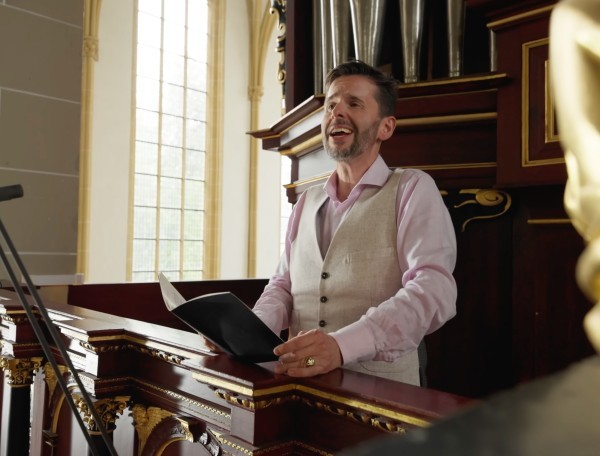
BWV 605 performed by Bart Naessens
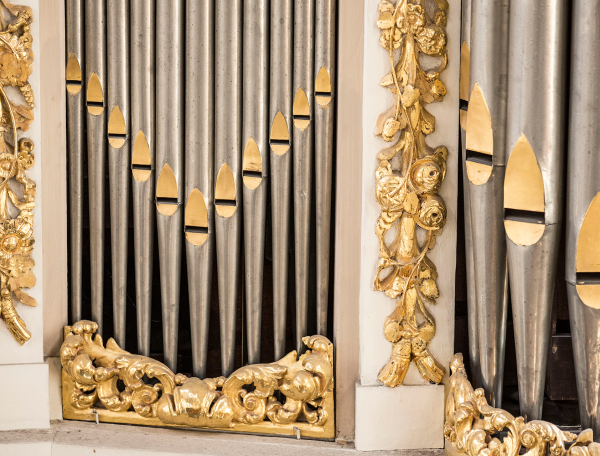
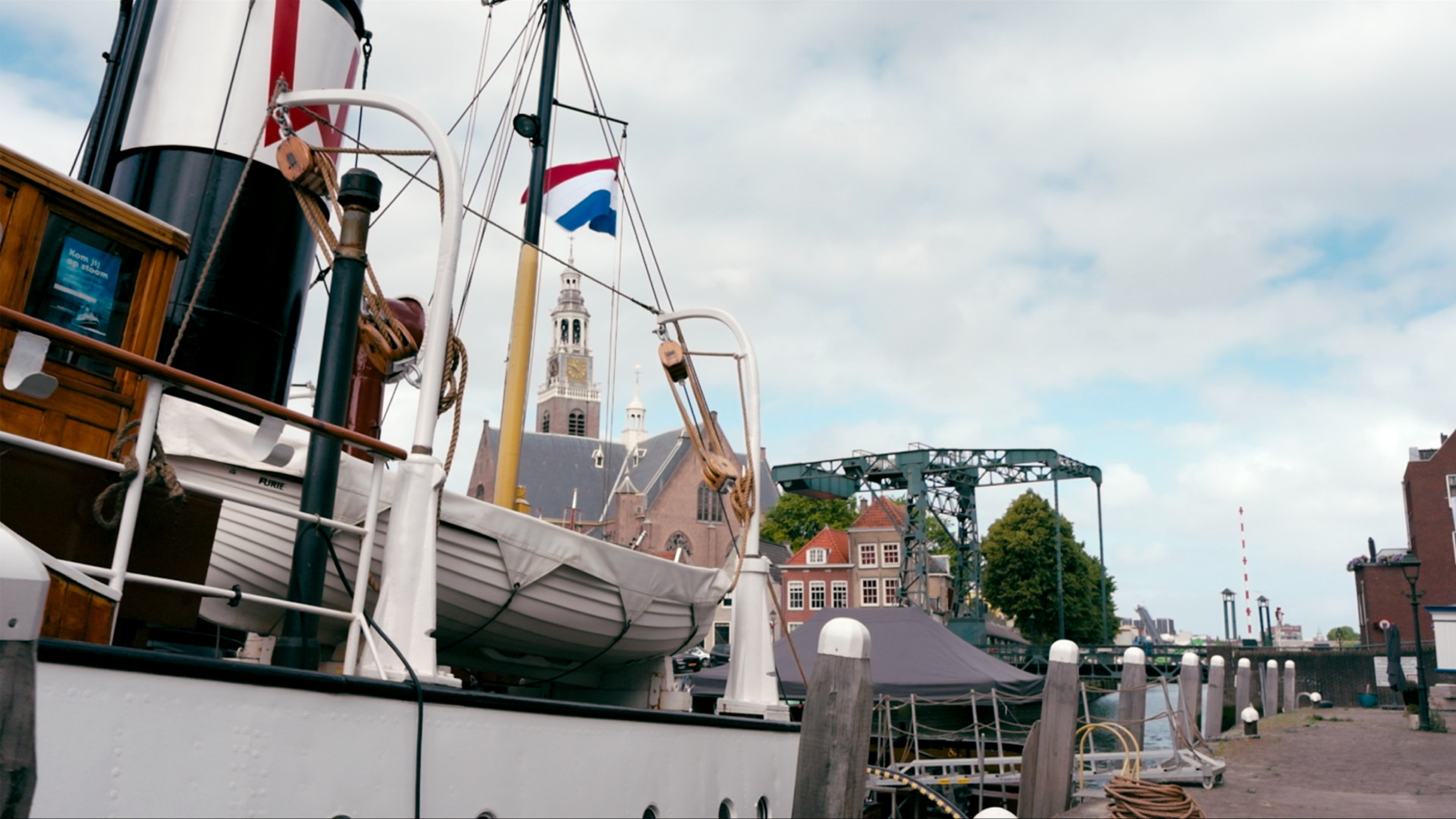
Groote Kerk, Maassluis
Behind the music
Story
Story
Credits
Credits
A symbol of joy
In this chorale arrangement, Bach skilfully applies the ‘figura corta’
The chorale on which this organ work is based, Der Tag, der ist so freudenreich, is a chorale for Christmas time: the joyful day that opens the first verse of the chorale is Christmas Day. Like so many other chorale arrangements in Bach’s Orgelbüchlein, BWV 605 is also permeated from start to finish by a single musical motif that is continually repeated: a fast alternation between two notes. The effect is one of cheerful excitement that bubbles up below the choral melody.
But how did a music connoisseur in Bach’s day listen to a chorale arrangement like BWV 605? Firstly, he or she would not have heard a musical ‘motif’, but rather a musical ‘figure’. In his music theory work Phrynis Mytilenæus oder satyrischer Componist from 1677, Wolfgang Caspar Printz (1641-1717) described the figure used here by Bach as a figura corta. It “consists of three quick notes, one of which is equal in length to the other two together”. This figure could appear in three different forms: short-short-long, short-long-short or long-short-short. In BWV 605, we hear that Bach uses predominantly short-short-long. Over half a century after the tract by Printz, in 1732, Johann Gottfried Walther describes the figura corta in practically the same words in his Musicalisches Lexikon, though he makes no reference to the less common short-long-short form.
Such a small ‘figure’ had no significance in itself, explains Walther. “All individual symbols commonly used in music to indicate sounds, their length and rests, etc.” are called figures. They were the musical building blocks for the composer. A music expert in Bach’s day may have heard how skilfully he had applied such a figure. But the first thing every listener probably recognised was the chorale, with its associated text in mind. And although the figura corta has no intrinsic significance, here the figure immediately becomes a symbol of joy, due to the context.
Orgelbüchlein, BWV 599-644
During his time as court organist at Weimar (1708-1714), Bach already started compiling his first collection of chorale arrangements and chorale preludes (compositions based on Lutheran hymns). They were intended to be used in church services, and the preludes were an introduction to congregational singing. According to the list of contents in Bach’s manuscript, it was supposed to have been a collection of 164 compositions, but in the end it did not exceed 46 (BWV 599-644). The order, combined with the limited length of the pieces, indicates that Bach was planning to compile a complete cycle of chorale arrangements. Later, in his period at Köthen, he gave the collection a title page, which reads: ‘Orgel-Büchlein, Worinne einem anfahenden Organisten Anleitung gegeben wird, auff allerhand Arth einen Choral durchzuführen…’ (‘Little organ book, in which a beginner organist is taught to arrange a chorale in all sorts of ways...’). So at the time, he intended the collection just as a teaching manual, maybe to present on his application in 1722 for the post of cantor at the Thomasschule in Leipzig, which was an important teaching position. The pupils must have had a hard time of it, as the preludes contain the complete range of baroque keyboard techniques in a nutshell.
Extra videos
Vocal texts
Original
Translation
Credits
-
- Release date
- 26 June 2026
-
- Recording date
- 14 May 2025
-
- Location
- Groote Kerk, Maassluis
-
- Organ
- Bart Naessens
-
- Instrument
- Rudolph Garrels, 1732
-
- Director and editor
- Onno van Ameijde
-
- Music recording
- Guido Tichelman, Pim van der Lee
-
- Music edit and mix
- Guido Tichelman
-
- Camera
- Onno van Ameijde, Rieks Soepenberg, Merijn Stojansek
-
- Assistant music recording
- Marloes Biermans
-
- Producer
- Lisanne Marlou de Kok

Help us to complete All of Bach
There are still many recordings to be made before the whole of Bach’s oeuvre is online. And we can’t complete the task without the financial support of our patrons. Please help us to complete the musical heritage of Bach, by supporting us with a donation!